
Restore Fences Without Damaging the Material
Fence Cleaning in Church Hill for wood and composite fences discolored by algae, dirt, and weathering
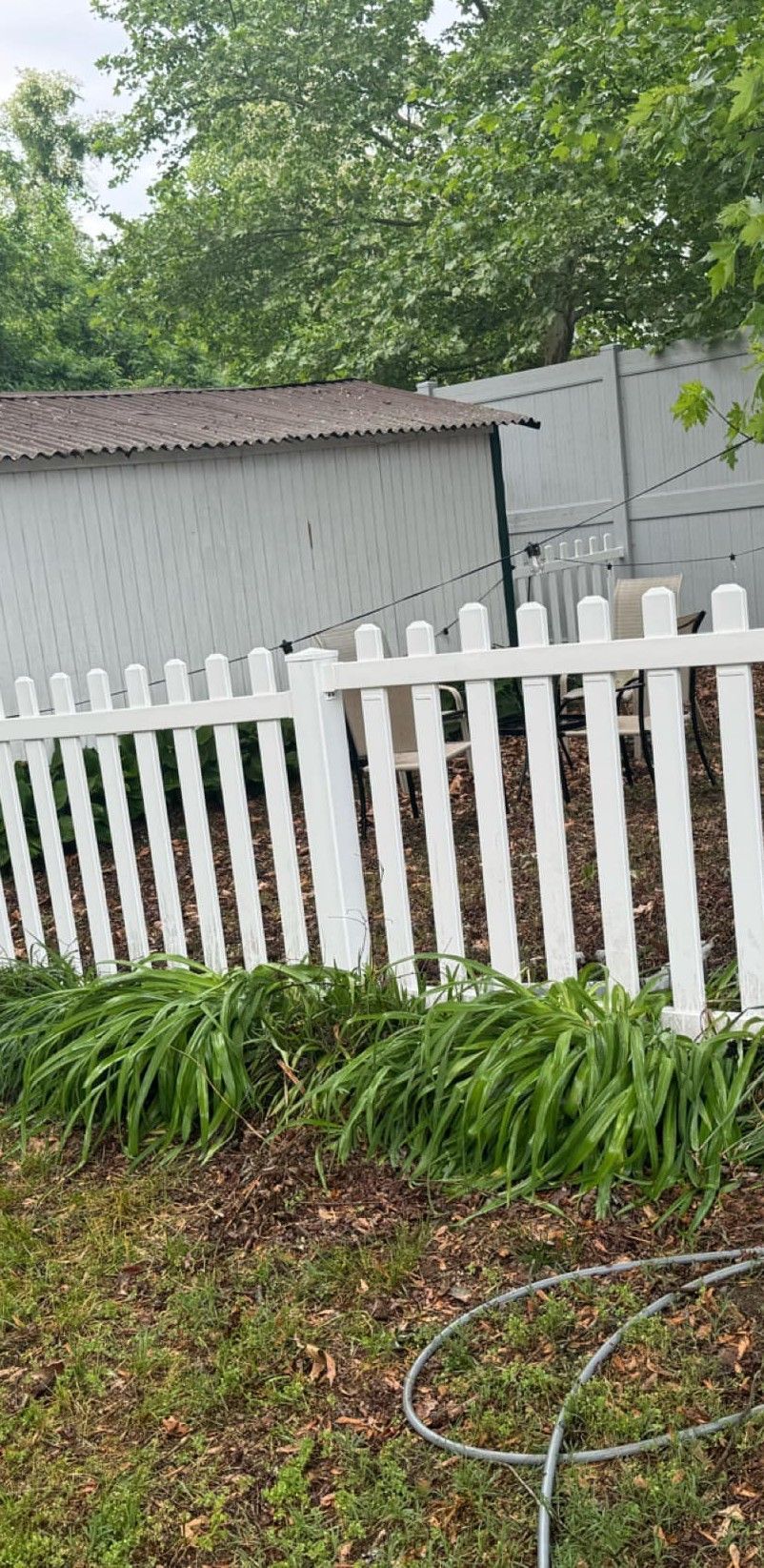
Chesapeake HydroShine provides fence cleaning in Church Hill using a controlled washing process that removes dirt, algae, and discoloration from wood and composite fencing without damaging the material. You'll see your fence return to a cleaner, more uniform appearance, with green streaks and gray weathering replaced by the natural color of the material underneath.
Fences are exposed to the elements year-round, and over time, organic growth, pollen, and dirt build up on vertical surfaces. Wood fences develop a grayish patina as ultraviolet light breaks down lignin in the grain, while composite materials can show algae staining in shaded or damp areas. The cleaning process applies eco-friendly solutions at low pressure, allowing the formula to break down contaminants without splintering wood or stripping composite finishes.
If your fence looks worn or stained and you want it cleaned safely, reach out to discuss a fence cleaning service in Church Hill.
What Fence Cleaning Prepares and Restores
You receive a cleaning method that respects the material being treated, using lower pressure for wood to avoid raising grain or causing surface damage, and slightly higher pressure for composite materials that can tolerate more aggressive rinsing. The process removes surface contaminants and prepares the fence for sealing or staining if you choose to apply a protective finish afterward.
After the service is complete, you'll notice that the fence looks brighter and more defined along your property line, and the patchy, discolored areas will be gone. Chesapeake HydroShine cleans both sides of the fence when accessible, and takes care to protect grass, plantings, and nearby structures from overspray. This service improves overall property appearance and helps maintain the long-term durability of your fencing investment.
The service does not include staining, sealing, or repairs to damaged boards, posts, or hardware. If your fence has loose pickets, rotted sections, or broken rails, those should be repaired before cleaning. Fence cleaning restores appearance and removes buildup, but it does not fix structural issues or replace deteriorated wood.
Common Questions About Fence Cleaning
Homeowners often want to know how the process works, what results to expect, and whether it's safe for different fence types.
What types of fences can be cleaned?
Wood privacy fences, picket fences, composite fencing, and vinyl fences all respond well to professional cleaning, though each material requires different pressure and solution settings.
How long does fence cleaning take?
Most residential fences in Church Hill are completed in two to four hours, depending on linear footage, height, and the level of buildup present.
When should you clean your fence?
Spring and early summer are ideal in Church Hill, as the cleaning prepares the surface for staining or sealing and removes the buildup that accumulates over fall and winter.
Why does algae grow on fences?
Shaded areas, moisture from sprinklers or rain, and contact with soil or mulch create conditions where algae, mold, and mildew can establish and spread across vertical surfaces.
How does cleaning prepare a fence for staining?
Removing dirt, algae, and old residue allows stain or sealant to penetrate evenly and bond properly to the wood, which improves the finish and extends its protective lifespan.
Chesapeake HydroShine has been serving Church Hill for over 15 years, combining hands-on knowledge with eco-friendly methods and straightforward communication. If you're ready to restore your fence and improve your property's appearance, contact Chesapeake HydroShine to schedule a fence cleaning service.